
Creature
Monos, La Torre, Issue 10

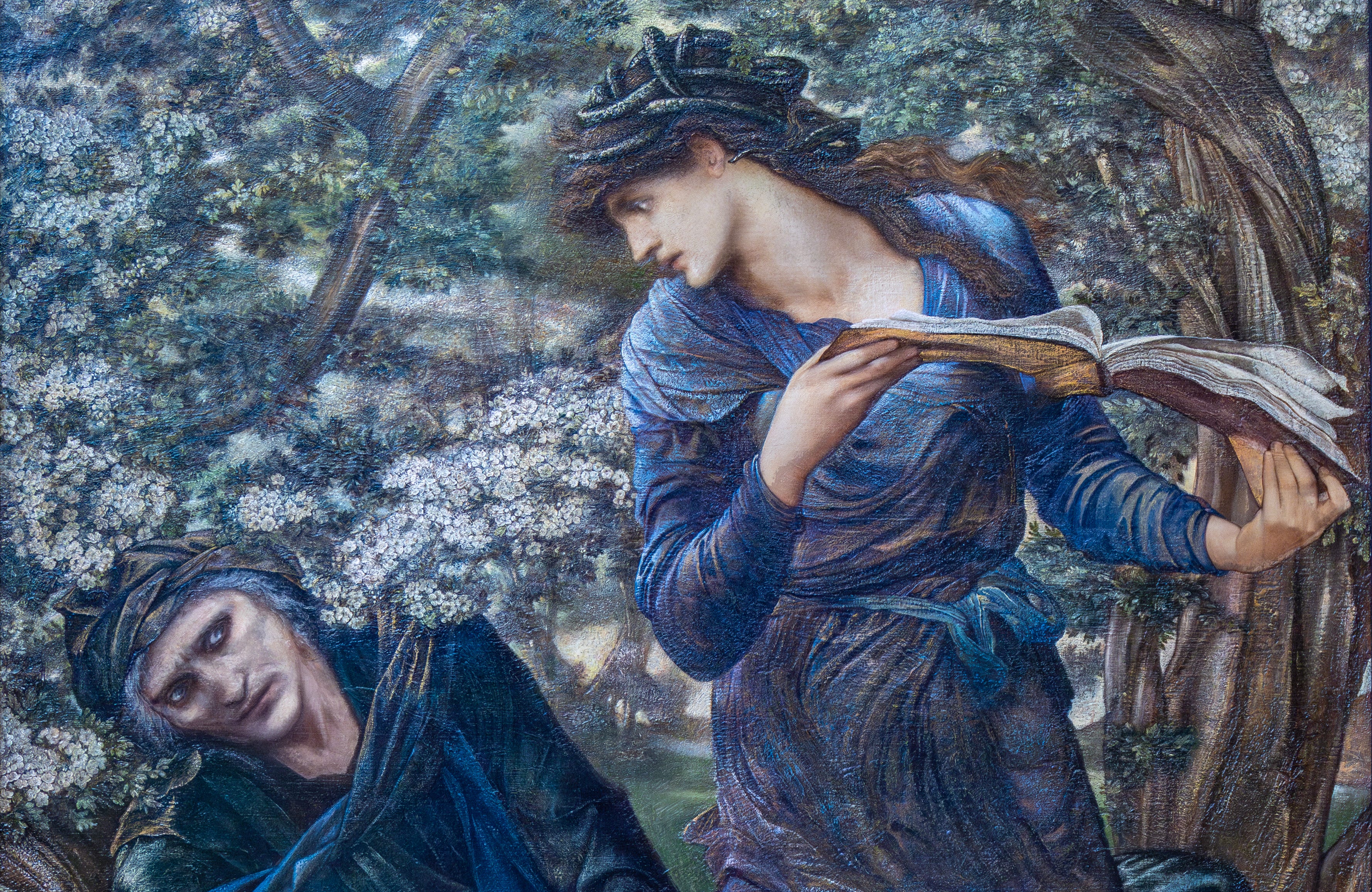
My life, the life of my thought, my self insofar as I think it, at times acquires a weight, a density that it is rare to be able fully to overcome—a weight and density that are perceived only insofar as the self recognizes itself as different from itself. I would compare it to a seed which, if it wishes to break forth from the earth, must construct its body point by point according to the design that informs it; and for that reason it nourishes itself from the environment, and for that reason it acquires personality and, in becoming, is no longer what it was. In order to be itself it is no longer itself; it lives insofar as it becomes different, and its body, its person, deny and affirm it at the same time. From this there arises precisely the desire to force the limits of the person, and the impatience with the garment, the impatience of not being able to see one’s own life except with an uncertain and veiled gaze. Here too is the constraint of the law, of having to be within a given form, within an aspect and a mental body that cannot be converted.
Now, that the self may manifest itself in purity, that it may will its life more inwardly, with the freest intention, with a more perfect and living power; that the deafness, the compactness, the inertia of thought may be lightened and clarified—this, it seems to me, is given precisely by that which the individual feels as limit and servitude in his action. He who does not perceive the constriction and the prison will never strive to escape from it. And only he will attempt to evade it who, in the very act of living, has consciousness of a hostility and an unreality in his law of life—only he who, in living, feels that life affirms only in order to deny, lives only in order to die continually to itself.
It is difficult for me to lead myself back to a more pure and more naked sense of myself. Thought is like an unreasonable creature and does not tolerate that I take hold of it and compel it to remain still, that I arrest its parts; rather it hesitates, withdraws, flees and stretches out within itself, and then again seizes and carries forward the living apex of the self, like water that drags and dissolves a small clod. Then there is no longer opposition, nor is there any longer separation. The very will that held its central weight firmly amidst the hasty flowering of thoughts is loosened from its base without perceiving it; it is at once set in motion and carried away and almost made aerial; there is no longer consciousness but an ivory and luminous mist arranged by its interior rhythms, which fills the sky, which tirelessly pours itself out and reproduces itself in denser or more serene layers.
The self can indeed turn toward thought according to two modes or attitudes that are properly opposed to one another. Here there is thinking, the image, the vital continuum that generates forms and creatures, certainly without rest and without regard for whether the frame or logical limit be respected. Such is the dream, such the uncertainties between sleep and waking, such again the indistinct imaginations—and yet at times clearly perceptible—that live on the margins of conscious thought.
In the other mode the self is stripped of every sensible efflorescence, and no longer determines itself within images nor allows itself to be touched by their generative warmth. The voices, the sounds, the rhythms that at times issue from the center of the intellect now flee tangentially, avoid the living point of hearing; the self has consciousness of itself, alone; it has consciousness of a wholeness, of a purity that indeed remains among sensible things, but is not seized by them, is not twisted and transformed by them. Its creatures are not assumed for a higher degree of knowledge or of power, but meanwhile it seems that it is possible to act upon them, and it seems that this detachment, this interval between oneself and things, together with the more precise will, the better sense of one’s own power, give precisely the right tone to the effort to come.
The self is ineffable, and yet the ineffable is precisely the root of speech.